Guides
Ceylon vs cassia, how to tell the difference in ten seconds
Walk into almost any supermarket and pick up a jar marked cinnamon. In most of the world, what is inside is not cinnamon at all in the strict sense. It is cassia, the bark of a related tree grown mainly in Indonesia, China and Vietnam. Cassia is a good spice with its own uses. It is not the same plant, it does not taste the same, and it is not what a Sri Lankan cook means when they say cinnamon.
True cinnamon is Cinnamomum verum, and the trade calls it Ceylon cinnamon because the island has grown and peeled it for centuries. Once you know what to look for, telling the two apart takes about ten seconds and needs no equipment.
Look at the cross section
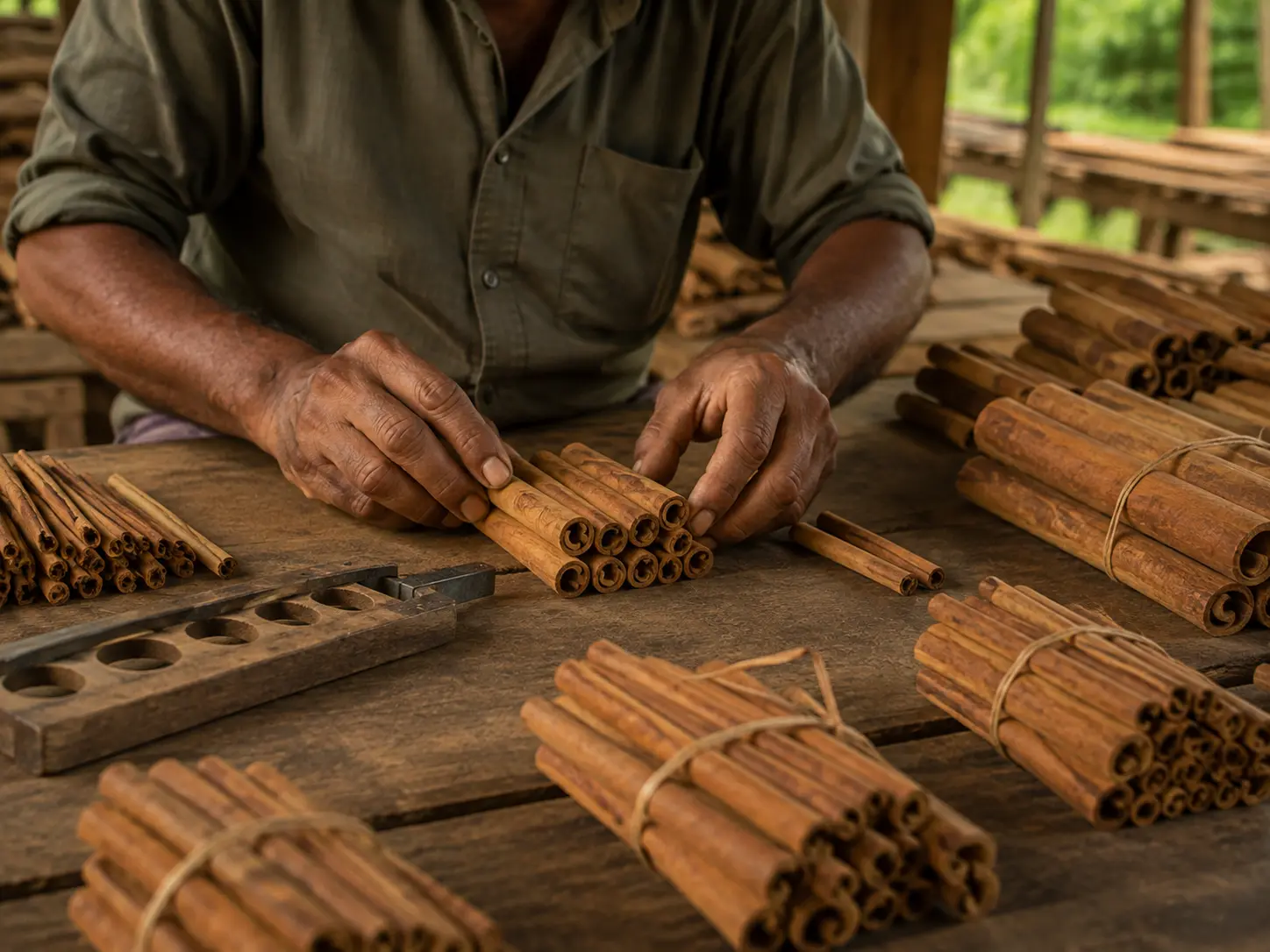
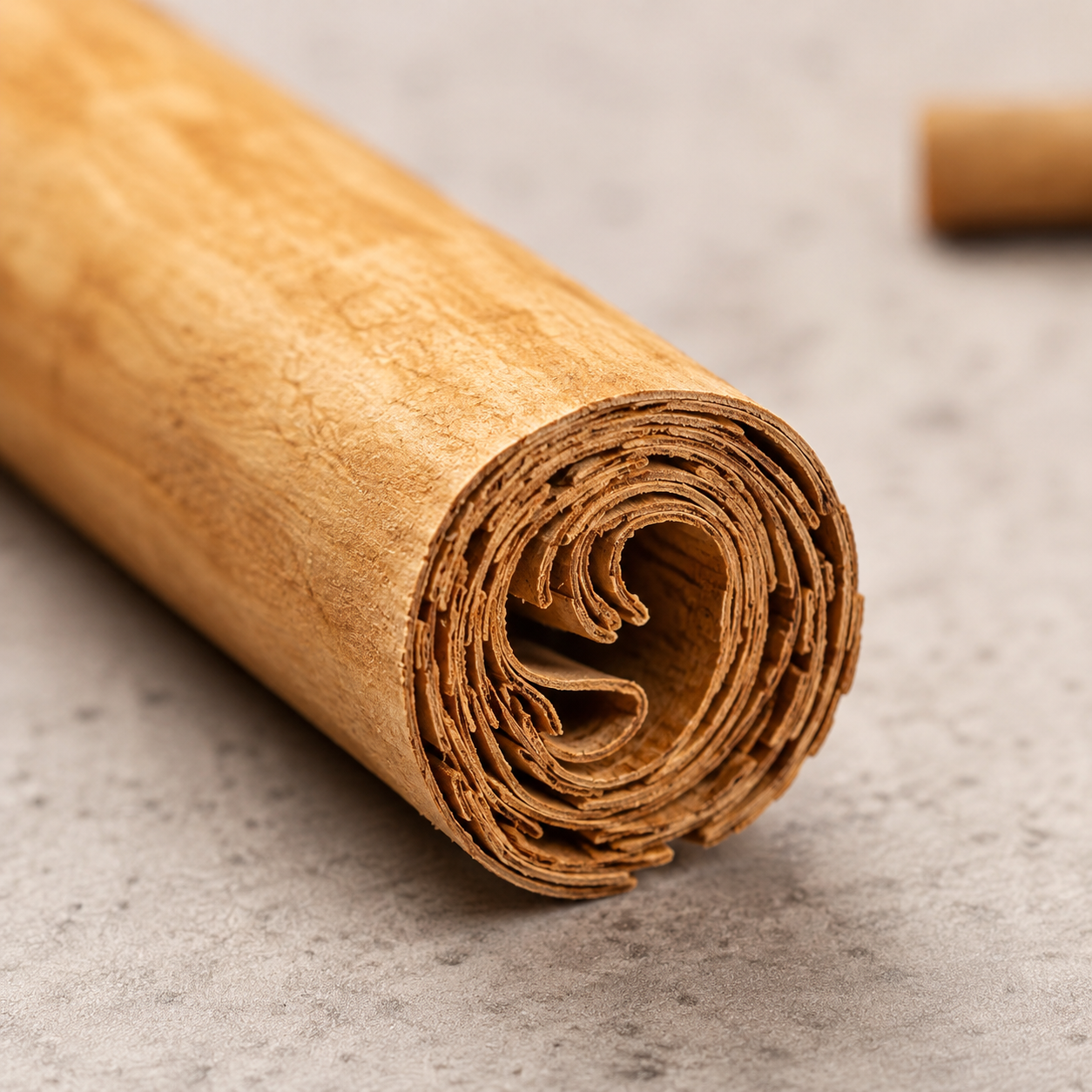
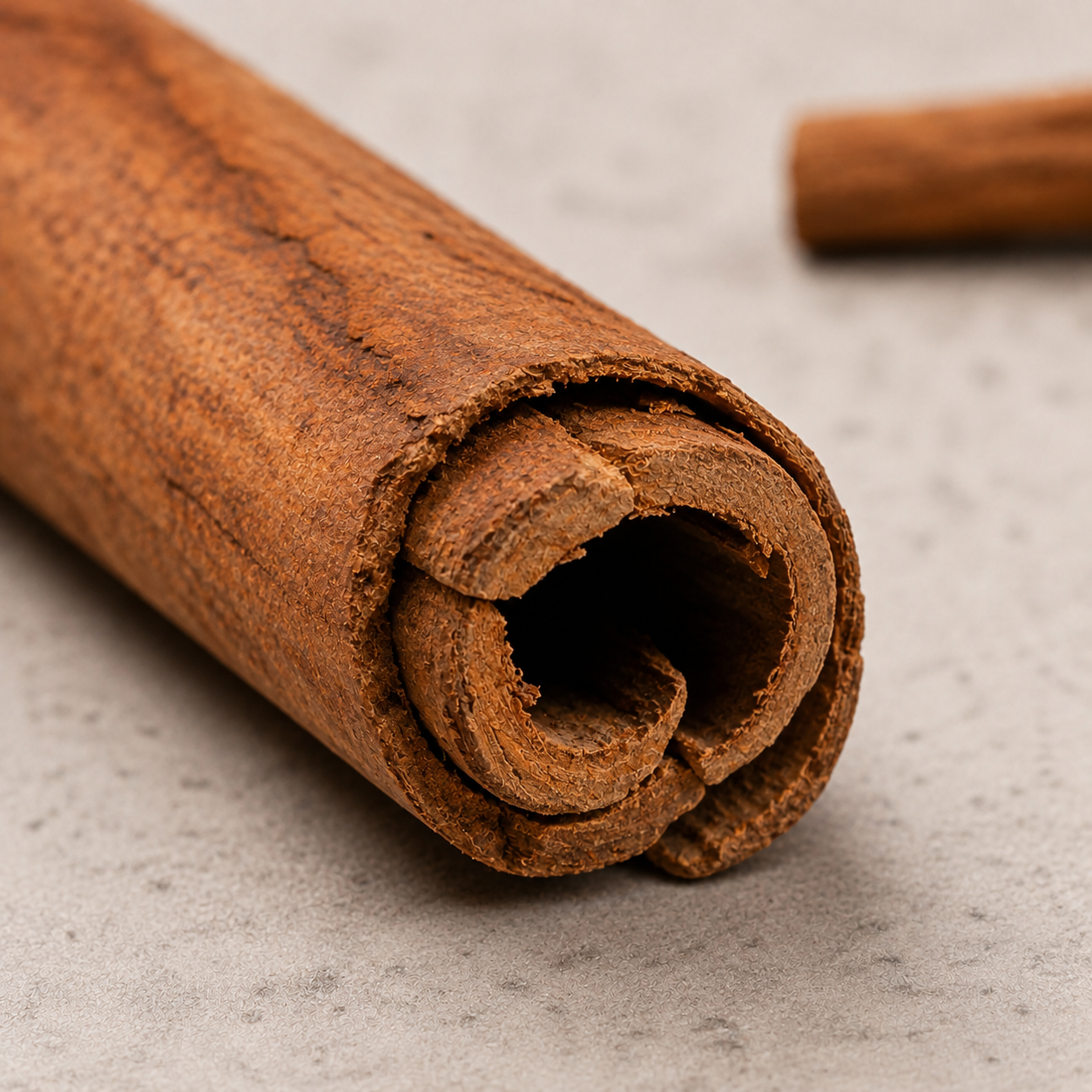
This is the fastest test. Pick up a stick and look at the end of it. A Ceylon quill is made of many thin layers of bark rolled together, like a cigar or a rolled newspaper. Held up to the light you can count the layers. The whole quill is light, brittle and often a little uneven, because a person rolled it by hand that morning.
A cassia stick is one thick slab of bark that has curled inward from both sides as it dried. The cross section looks like a scroll with two hollow eyes, not like a bundle of sheets. It is heavy, hard and dense. If you cannot snap it between finger and thumb, it is almost certainly cassia.
Feel the weight and the break
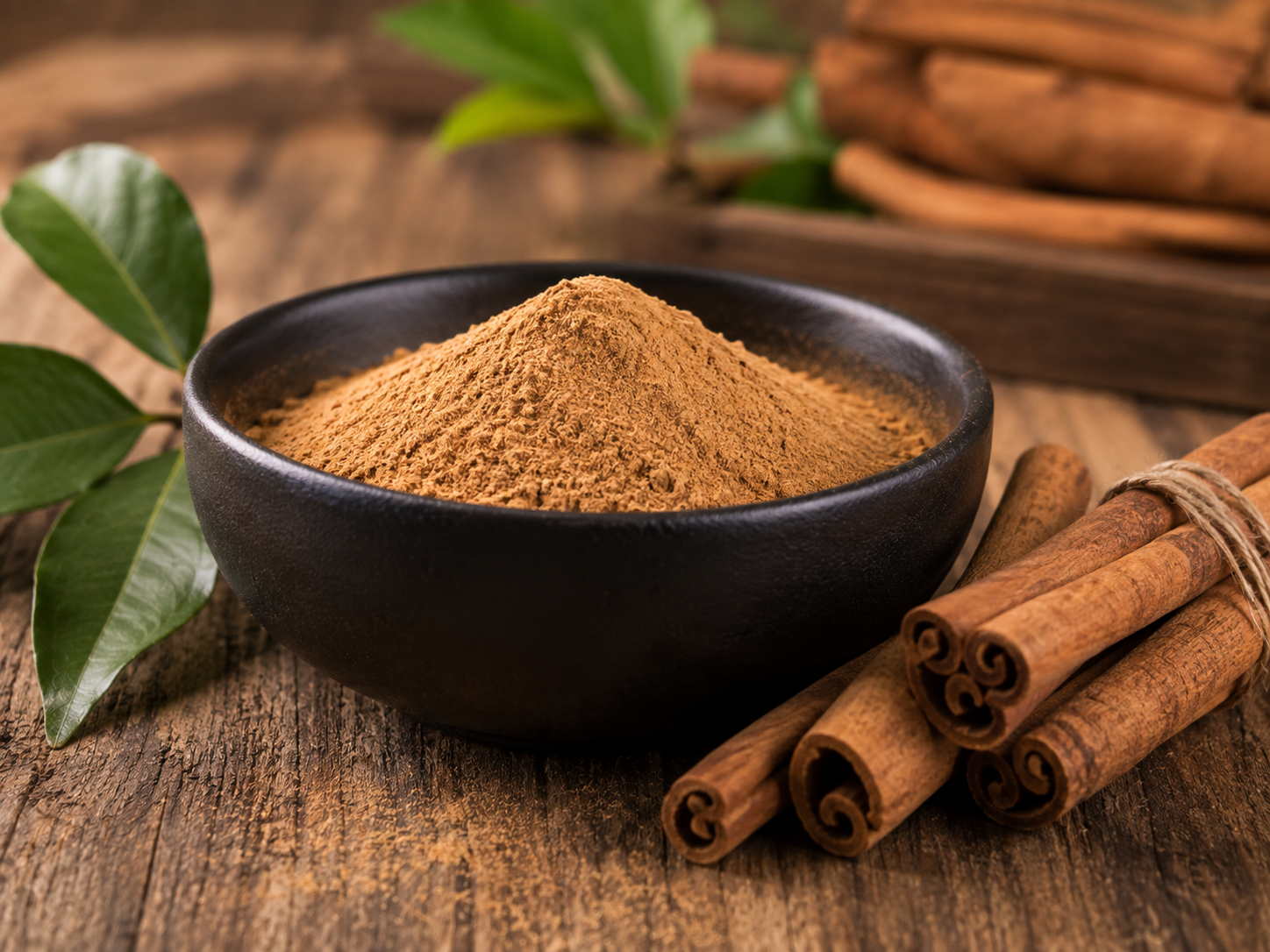
Ceylon bark is peeled thin, dried in the sun and rolled while still pliable, so the finished quill weighs very little. It crushes to a soft powder under a rolling pin and dissolves willingly into milk, syrup or a curry. Cassia is closer to a piece of hardwood. Grinding it at home usually means a burr grinder or a spice mill, and even then it stays gritty.
This matters in cooking, not just in identification. If a recipe asks you to simmer a stick and then fish it out, cassia is fine. If it asks you to grind, infuse quickly, or eat the spice as part of the dish, thin Ceylon bark behaves completely differently.
Look at the colour
Ceylon quills are a pale tan, the colour of light leather or unbleached card. Cassia is a deep reddish brown, sometimes almost purple where the outer bark remains. Colour alone is not conclusive, since drying conditions shift the tone, but combined with the cross section it settles the matter.
Smell it, then taste it
Break the stick and put your nose to the fresh edge. Ceylon is floral and sweet, with citrus and a light warmth that sits at the front of the mouth. There is no burn. Cassia leads with a hot, hard, almost medicinal punch. It is the flavour most people in Europe and North America think of as cinnamon, because it is what they have always been sold.
Ceylon does not shout. It perfumes a dish rather than dominating it, which is exactly why it can be used in far larger quantities.
The coumarin question
Cassia naturally contains coumarin, a compound that several European food safety bodies have advised limiting in regular high consumption. Ceylon cinnamon contains it only in trace amounts. This is the main reason cinnamon drinkers, daily porridge eaters and parents cooking for small children in Europe seek out true cinnamon specifically. We are not making a health claim about cinnamon. We are pointing at a well documented compositional difference between two different barks.
What to do with the knowledge
- Check the label for Cinnamomum verum. If the jar names no species, assume cassia.
- Check the price. True cinnamon is peeled by hand, and the labour shows in the cost.
- Buy quills rather than powder while you are learning, because the cross section cannot lie.
- Keep both if you like. Cassia suits long braises and mulled drinks. Ceylon suits everything you actually taste.
Once you have held the two side by side, the test stops being a test. You will spot cassia across a shop counter, and you will notice immediately when a cafe has used it in a cinnamon bun. That is the whole point of learning it.